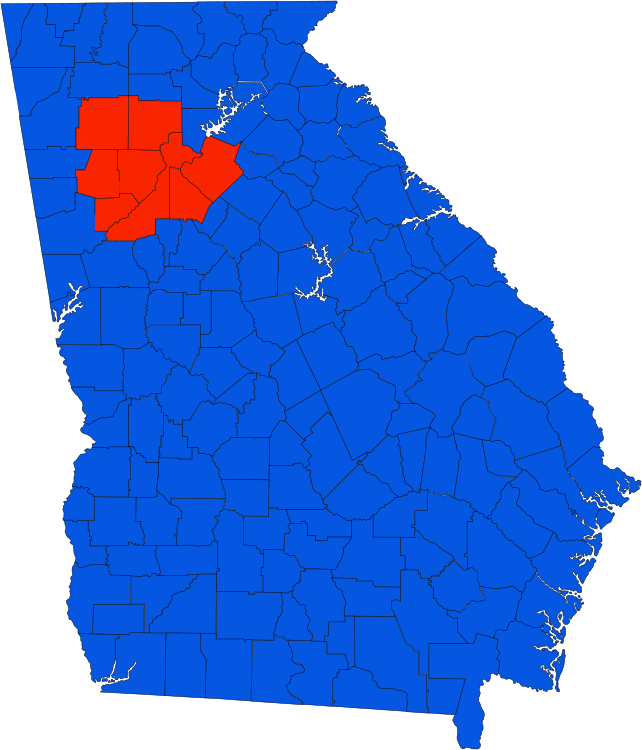
Pex Pipe Problems in Atlanta Georgia
PEX is one of the most common plumbing materials used in newer homes throughout Metro Atlanta—but like any plumbing system, PEX pipes and connections can develop leaks.
Local. Family-Owned.
Experts You Can Trust.
Based on 180+ Reviews
Decades of Experience. Real Solutions.
Protect Your Home Prevent costly damage before it gets worse.
Save Time & Money Quality repairs that last—guaranteed.
Respectful Service We treat your home like our own.
We’re Here 24/7 Day or night, we’re just a call away.
PEX, or cross-linked polyethylene, is flexible plastic piping commonly used for hot and cold water lines. It is widely used in modern residential plumbing and having PEX in your home does not automatically mean there is a problem. However, leaks can develop because of damaged piping, fittings, installation conditions, water pressure, temperature, or other problems within the plumbing system.
Recent reports from Georgia homeowners have also raised concerns about recurring leaks involving certain PEX piping systems. Atlantis Leak Detection provides PEX leak detection and repair throughout the Greater Atlanta area. We can locate hidden leaks, identify accessible pipe markings, evaluate the affected plumbing, and repair damaged water lines based on what we find.
One PEX leak does not automatically mean you need to repipe your home. Finding the leak and understanding why it failed comes first.
Is all PEX piping defective?
No. PEX is widely used in modern plumbing systems. Individual pipes, fittings, installations, or particular products can develop problems, but having PEX does not automatically mean your plumbing is defective.
How do I know what brand of PEX I have?
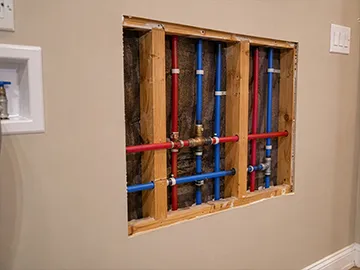
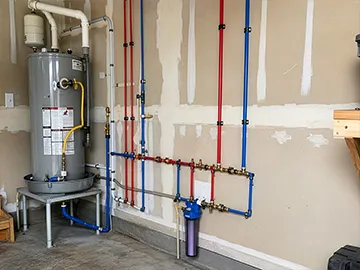
Look at exposed piping near a water heater, utility room, basement, crawl space, or under a sink. The manufacturer and product information are usually printed repeatedly along the pipe.
Does one PEX leak mean I need a whole-house repipe?
Not necessarily. An isolated leak and a pattern of repeated failures are different situations. The affected piping and overall history of the system should be evaluated first.
What Is PEX Plumbing?
PEX stands for cross-linked polyethylene. It is a flexible plastic piping material used for residential water supply lines and has become common in newer homes throughout Georgia and the rest of the country.
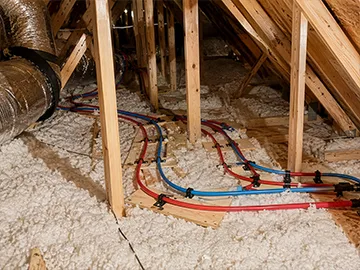
PEX water lines may be red, blue, white, or another color. Red is commonly used to identify hot-water lines and blue for cold-water lines, although the color itself does not determine how the pipe performs. Because PEX is flexible, plumbers can often install it with fewer fittings and joints than rigid piping materials.
PEX itself should not be confused with older polybutylene plumbing. They are different materials with different histories. PEX remains widely used in new construction today.
2026 PEX Pipe Concerns in Georgia
Georgia PEX Update: Last reviewed September 2026.
PEX plumbing has received increased attention in Georgia after homeowners reported repeated leaks and water damage involving certain PEX piping systems.
In 2026, Atlanta News First reported that 16 households in the Stonewood Creek subdivision in Dallas, Georgia were involved in an arbitration complaint concerning PEX pipes manufactured by Uponor and installed in homes built by D.R. Horton. According to the homeowners' allegations, some of the pipes began leaking only a few years after the homes were built.
Additional reporting identified homeowners in other Georgia communities, including Canton, who reported leaks involving Uponor PEX piping. Federal lawsuits have also been filed by homeowners in multiple states alleging premature deterioration of certain Uponor PEX products.
Does This Mean Uponor PEX Is Defective?
Not necessarily. These are allegations and reported homeowner experiences, not a finding that all Uponor PEX—or PEX plumbing generally—is defective.
Uponor disputes that there is a systemic problem with its PEX piping and states that its products have a low field-failure rate across billions of feet of installed pipe. The company has also said that plumbing performance can be affected by installation, water pressure, temperature, environmental conditions, and other components within a plumbing system.
For Atlanta homeowners, the practical takeaway is simple: know what piping is in your home, pay attention to signs of a leak, and investigate repeated failures rather than assuming every leak is an isolated problem.
How Do I Know What Kind of PEX Pipe I Have?
You usually do not need to open a wall just to identify your PEX piping. Start by looking for exposed water lines in accessible areas of the home.
Common places to look include:
- Near the water heater
- Inside a mechanical or utility room
- In an unfinished basement or crawl space
- In the attic where plumbing is exposed
- Under sinks and bathroom vanities
- Where the main water line enters the home
Quick response, knowledgeable associates.
PEX manufacturers normally print identifying information directly onto the pipe. This can include the manufacturer's name, product name, pipe size, certification information, and other manufacturing markings.
Identifying Uponor PEX
If you are specifically trying to determine whether your home contains Uponor piping, look for markings such as Uponor, AquaPEX, or the older Wirsbo name printed along exposed sections of pipe.
Take clear photographs of those markings if you are experiencing leaks. They can help identify the piping without relying solely on its color or appearance.
Signs of a Possible PEX Pipe Leak
A PEX leak does not always produce an obvious burst pipe or large puddle. Water can escape inside a wall, above a ceiling, beneath a floor, or in another concealed location before the problem becomes visible.
Possible warning signs include:
- Water stains on walls or ceilings
- Wet or soft drywall
- Unexplained moisture around floors or baseboards
- The sound of water running when fixtures are off
- An unexplained increase in your water bill
- Reduced water pressure
- Musty odors or recurring damp areas
- Movement at the water meter when no water is being used
- More than one pipe leak occurring over time
One PEX Leak vs. Repeated PEX Pipe Failures
Finding one leaking PEX pipe does not automatically mean that every PEX line in the home needs to be replaced.
A single leak can result from localized damage, a fitting problem, installation stress, excessive pressure, accidental damage, or another condition affecting only one area of the plumbing system.
Repeated leaks deserve a different level of attention.
If PEX pipes begin failing in different locations over a relatively short period of time, it may be appropriate to look beyond the immediate repair and evaluate the history and condition of the plumbing system as a whole.
Tim did a good job. I appreciate the diagnosis. Thank you Tim.
How Atlantis Leak Detection Can Help With PEX Pipe Problems
If you have an active PEX leak—or signs of water damage but cannot determine where the water is coming from—Atlantis Leak Detection can help locate the source and determine what actually needs to be repaired.
Our licensed plumbing professionals provide leak detection and repair throughout the Greater Atlanta area. Depending on the location and symptoms of the problem, we can help:
- Locate hidden water-line leaks
- Identify the affected section of piping
- Identify accessible PEX manufacturer markings
- Evaluate whether a leak appears isolated or part of a recurring pattern
- Repair damaged PEX water lines
- Explain broader replacement options when repeated failures justify further evaluation
A Note About Current PEX Lawsuits and Warranty Claims
Information about PEX litigation, manufacturer warranties, and homeowner claims can change as individual cases move through arbitration or the courts. Reports of a pipe failure or allegations made in a lawsuit do not by themselves establish that a particular product is defective.
If you believe your home may be affected by a manufacturer warranty, builder warranty, arbitration claim, or lawsuit, document the problem carefully and contact the appropriate manufacturer, builder, insurance company, or qualified legal professional regarding your individual situation.
This page is provided for general plumbing and homeowner information and is not legal advice. Atlantis Leak Detection is not making a determination regarding the legal liability of any pipe manufacturer, homebuilder, contractor, or other party.
Had an issue that was initially thought to be a slab leak but was actually a leak in the wall. Tim and Will were both very professional and...
Excellent professional service from David. He is knowledgeable and completes his work efficiently. I highly recommend this company.